
Different sports may require different qualities, be it strength, speed or endurance. However, one thing is the same for all of them: the need to refuel the body with the right nutrients at the right time after exercise in order to provide it with the preconditions for an optimal regeneration process.
In this article, sports and nutrition scientist Joëlle Flück explains which measures can be taken in order to recover from trainings or competitions as fast as possible.
Proteins
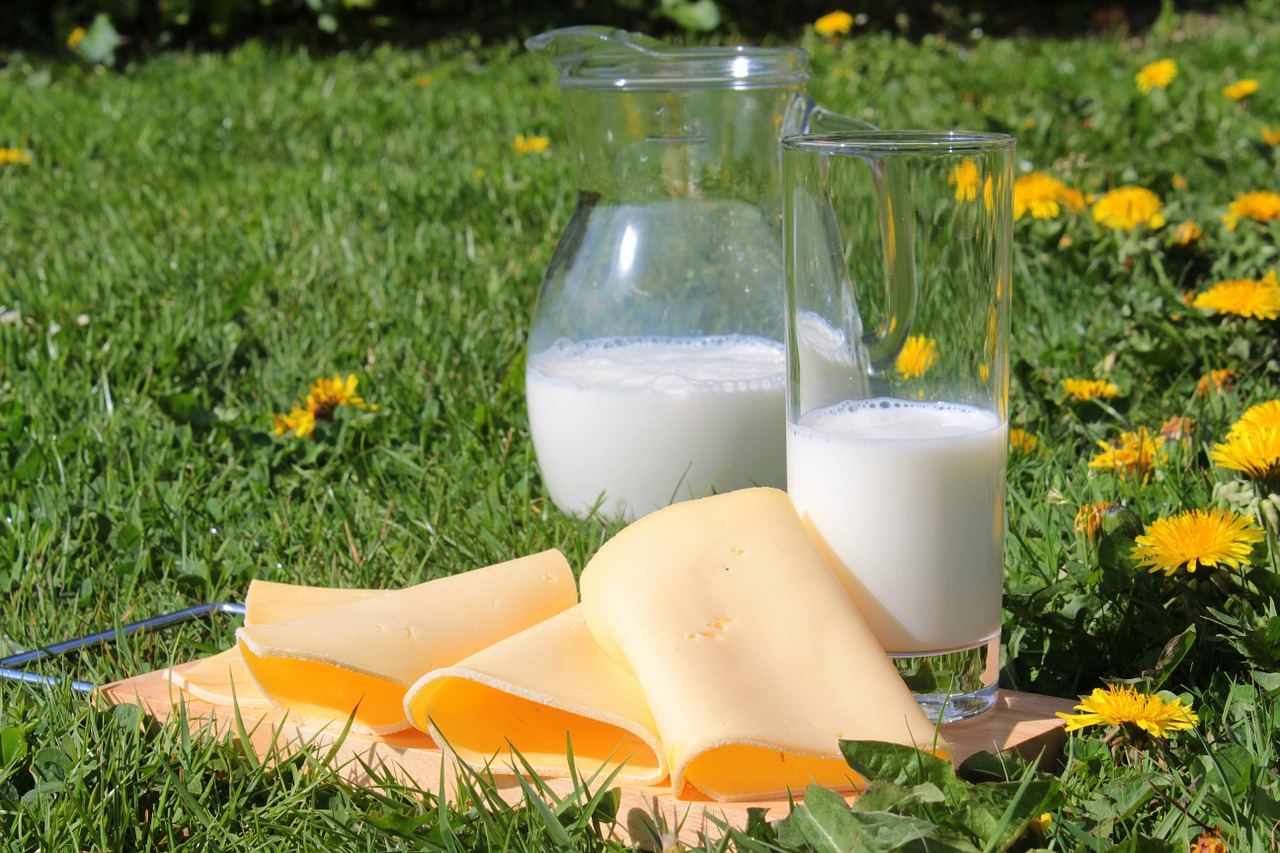
Proteins are the most important nutrients for our muscles. Consequently, sufficient supply of protein is crucial in the muscle building phase. However, also for regeneration after high intensity training or competitions, as well as for the healing of injuries, adequate supply of proteins is a necessity in order for our body to heal the damage that has been done to our muscles and to prepare itself for future stress. According to sports science literature, the estimates for the total daily need of protein are 1.2 to 2.0 g per kg of body weight per day. The protein sources taken in during the day should be of hight quality. Some of these protein sources are contained in dairy products, meat, soy products or eggs. Less explored up to this point are plant-based sources of protein. In order to support muscle protein synthesis optimally, to accelerate the regeneration of the muscles and to make our body adapt to the new stress, amounts of 15 to 25 g of protein within the first two hours after an intense training (e.g. strength training, intervals, etc.) or a competition are ideal. The current tendency is that dairy products should be preferred over other protein sources.
Carbohydrates

Carbohydrates, as well as fatty acids, can be considered to be the fuel for our performances. If our storage (especially the carbohydrate storage) is not sufficiently filled before training or competitions, wer are not able to perform at our very best. Maximal and sub-maximal endurance performances are especially dependent on our carbohydrate storage (glycogen storage). After very long-lasting or very intense sessions, this storage is usually empty. Therefore, for optimal regeneration, carbohydrates are necessary to refill the storage and to prepare the body for the following challenges. However, the amount of carbohydrates needed for refilling the storages depends on the nature, the duration and the intensity of a session.
Liquid and salt
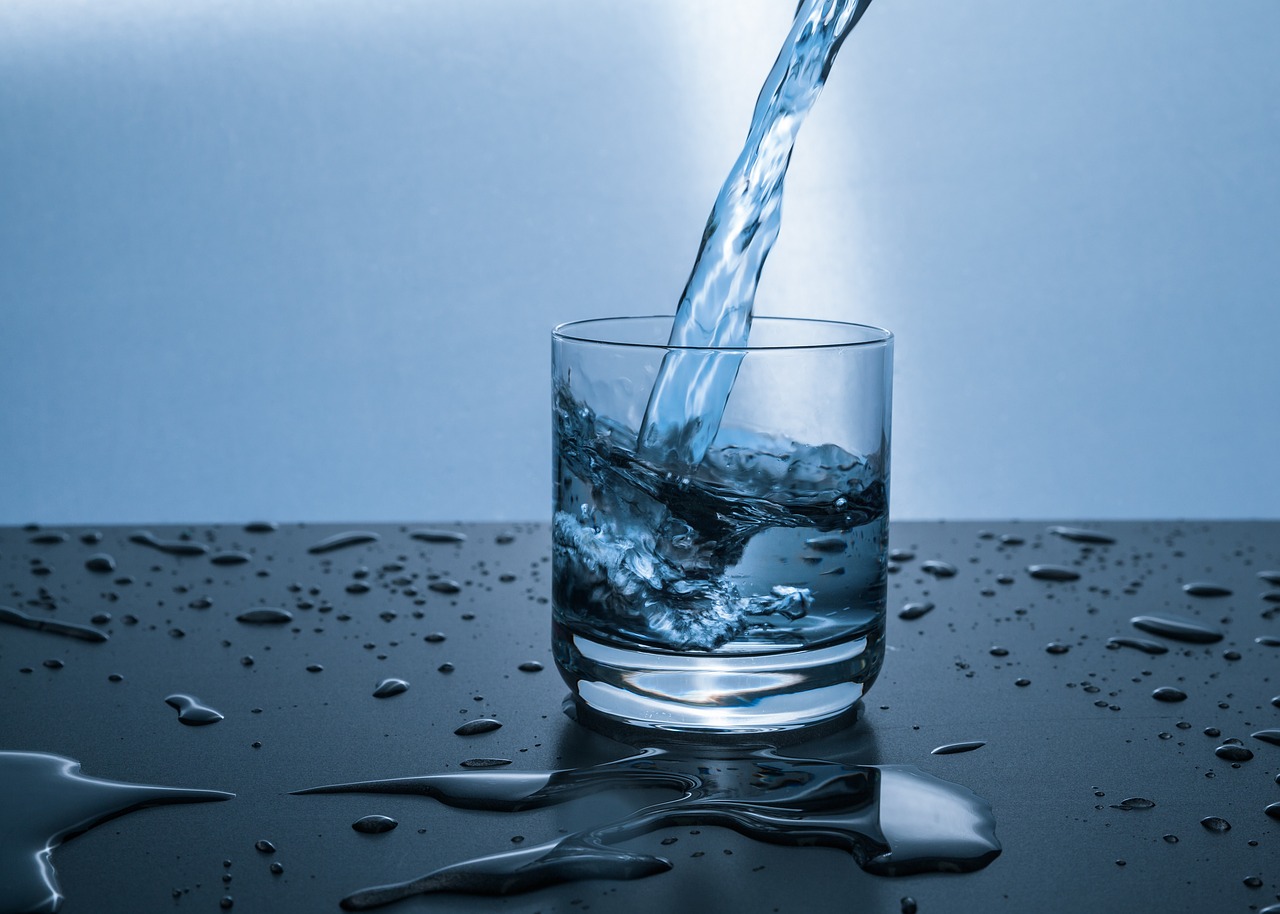
Depending on the kind of training and on the surroundings in which it takes place, our body loses more or less liquid and salt. In case it is not possible to take in enough liquid during a session or a competition, the result is a fluid deficiency, which needs to be solved afterwards, in order to keep your body balanced. You can calculate the extent of this deficiency here. In order to accelerate the regeneration process, it is important to solve this deficiency as soon as possible and to drink enough water after the session.
Point of time
Regeneration measures kan be taken immediately after training or competitions. Most of the times it is easier to take in the required nutrients via fluid rather than solid food. Especially during intense or long-lasting sessions, your gastrointestinal tract is impaired and it is recommendable to wait a moment before you eat solid food. Nevertheless, it is advisable to take in both nutrients and fluid within the first one to two hours after excercise. This applies especially if high muscle protein synthesis or fast regeneration (after competitions or high-intensity sessions) are of primary concern. However, if you only train 3-4 times a week, the time between the individual sessions is usually long enough for your carbohydrate storage to be refilled appropriately.
Food

You may ask yourself now what kind of food is adequate for a fast and smooth regeneration process. Possibilities are manifold, depending on individual needs and preferences. A simple chocolate milk works just as well as an industrually produced recovery drink. Both provide you with the proteins, carbohydrates and fluid needed in orderd to accelerate the regeneration process. However, if you don’t have any problems with your gastrointestinal tract after sessions and if your appetite is big enough, you can also start with solid food right away and complement that with sufficient amounts of fluid. A sandwich with cheese or dried meat, for example, is an excellent regeneration measure.
In conclusion, it can be mentioned that, depending on nature and goal of a training, some people might feel that a recovery drink is necessary, but that this does not apply equally for everybody. In case you prefer to go for a recovery drink, individual limitations (e.g. problems with the gastrointestinal tract, lacking appetite, allergies and intolerancies) or preferences (e.g. taste, fluid or thick) should be taken into account.
This blog entry was written by sports and nutrition scientist Dr. sc. nat. Joëlle Flück. She works at the sports medical centre in Nottwil and supports athletes of all levels in sports and nutrition. In addition, she also conducts herself studies in sports nutrition and she is the vice president of the Swiss Sports Nutrition Society. Being a fromer middle distance runner, she has won inumerous medals in Swiss championships. Today, Joëlle focuses on longer distances.